
The Global Space Connectivity & Sustainability Events to Discuss Expanding Connectivity and Sustaining Space Resources
RIYADH, Saudi Arabia, October 11, 2026 (EZ Newswire) -- Satellites play a fundamental role in communications,
Press Release Disclaimer: This is a press release distributed through the XPR Media network. It has not been independently verified by our newsroom.

RIYADH, Saudi Arabia, October 11, 2026 (EZ Newswire) — Satellites play a fundamental role in communications, navigation, weather forecasting, and Earth observation services through space imaging. The continuity of these services is tied to the safety of satellites in their orbits and the efficient use of spectrum resources. As reliance on these services grows, so does the importance of limiting harmful radio interference and addressing the risks of orbital congestion and space debris that could affect their continuity.
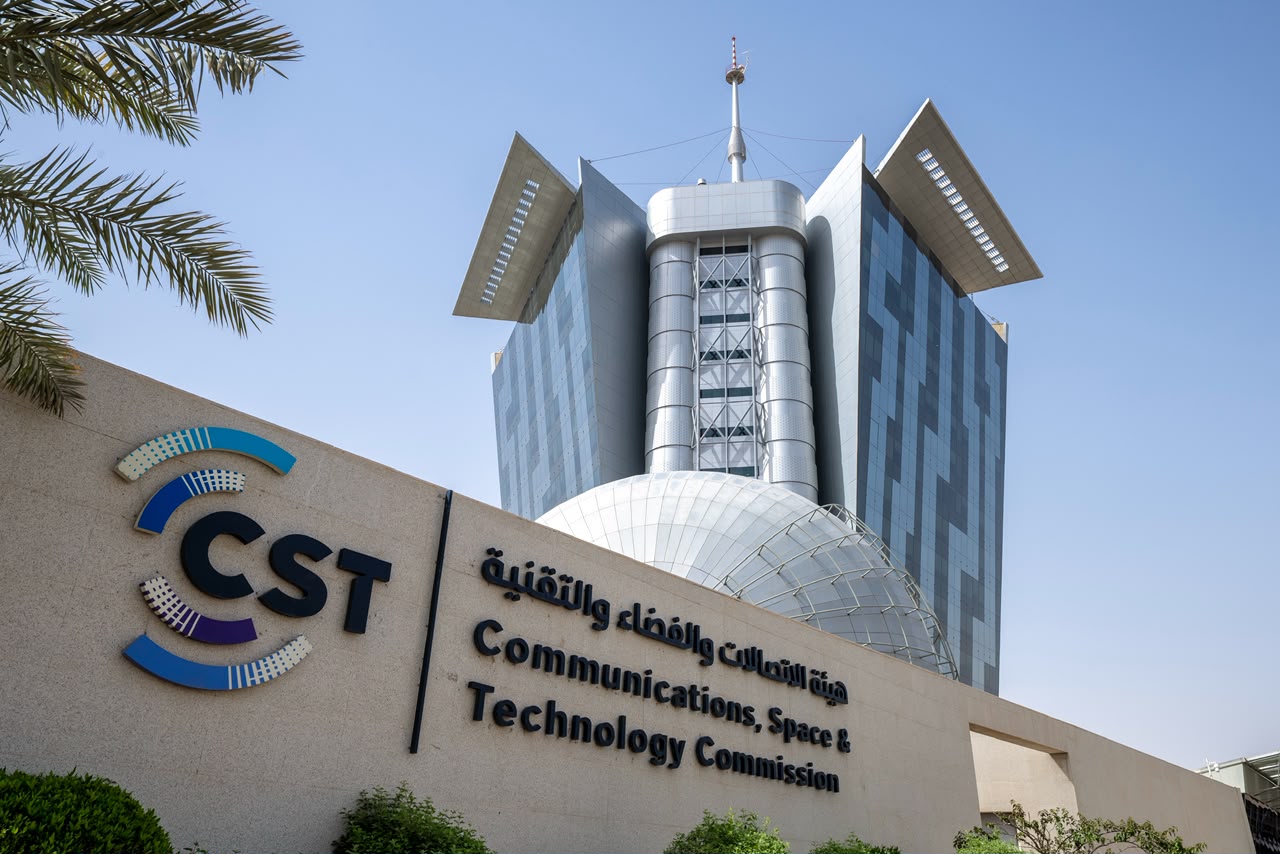
The relationship between communication services used on Earth and the sustainability of space activities is a key focus of discussions at the Global Space Connectivity & Sustainability Events 2026, hosted in Riyadh from Oct. 12 to 14 at the headquarters of the Communications, Space & Technology Commission (CST).
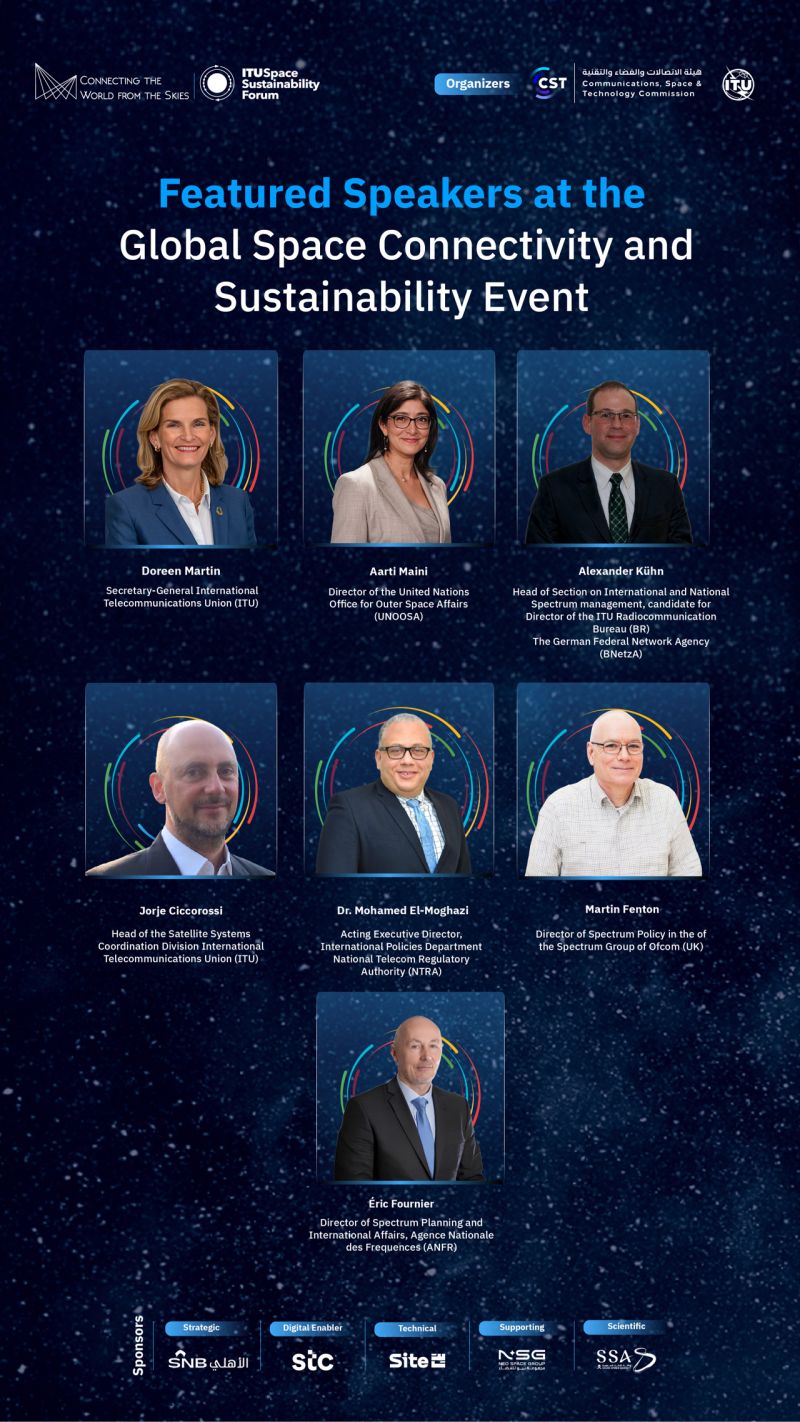
The Communications, Space & Technology Commission is organizing the event in partnership with the International Telecommunication Union (ITU), under the theme “Connected Earth, Sustainable Space.” The event includes Connecting the World from the Skies (NTN) and the Space Sustainability Forum, discussing opportunities to expand connectivity and challenges related to the sustainability of space activities, with the participation of regulators, companies, experts, and researchers.
Non-Terrestrial Networks Expand Connectivity
Non-terrestrial networks, which include satellites and high-altitude platforms, help provide communication services to remote areas and support connectivity aboard aircraft, ships, and vehicles. Their integration with terrestrial networks enables expanded coverage, enhances connectivity continuity, and supports the development of services tailored to users’ needs across various locations and while on the move.
Direct connectivity between satellites and mobile devices is one of the most notable developments in this field, enabling connectivity beyond the coverage of terrestrial networks. Available services vary depending on device compatibility, network capabilities, regulatory frameworks, licensing, and service delivery models.
International experiences illustrate the range of technical and commercial models for delivering these services, as reflected in the experiences of Skylo and AST SpaceMobile, which the ITU addressed in a presentation published in March 2026.
Two Models for Closing Coverage Gaps
Skylo relies on partnerships with satellite operators to leverage existing space infrastructure in geostationary orbit, connecting compatible devices to space-based services. This model allows the company to deliver service without needing its own satellite constellation.
AST SpaceMobile, on the other hand, relies on developing large satellites in low Earth orbit, designed to provide connectivity directly to conventional mobile phones without the need for dedicated satellite devices. This model aims to deliver connectivity services approaching broadband capabilities, supporting connectivity in areas beyond the reach of terrestrial networks.
The two models differ in their space infrastructure, service delivery mechanisms, and device requirements: Skylo relies on partnerships and existing space infrastructure to serve compatible devices, while AST SpaceMobile is developing a dedicated space system to provide direct connectivity to mobile phones. Both models share the goal of expanding connectivity beyond terrestrial coverage, though the availability and capabilities of their services differ based on coverage, regulatory requirements, licensing, and each system’s technical capabilities.
The event addresses these developments through sessions covering partnerships and business models, as well as technical aspects, spectrum requirements, and regulatory and licensing frameworks. It also examines the role of non-terrestrial networks and their integration with terrestrial networks in the development of future 6G networks, and what this integration could enable in terms of expanded coverage and enhanced connectivity continuity.
Service Sustainability Begins With Spectrum and Orbital Management
The expansion of space services is accompanied by multiple technical and regulatory challenges. Limiting harmful radio interference requires coordinating frequency use and applying relevant technical and regulatory frameworks, while addressing the risks of orbital congestion and space debris requires measures that support satellite safety and orbital operations. This calls for cooperation between regulators and operators at both the local and international levels.
ITU discussions on space sustainability have addressed the importance of coordination to limit harmful interference and the exchange of data related to orbital operations to support cooperation among operators. This cooperation helps preserve a usable space environment over the long term, benefiting countries and communities that rely on satellite services.
In Riyadh, participants in the Global Space Connectivity & Sustainability Events are discussing several topics related to preparations for the World Radiocommunication Conference 2027 (WRC-27), including space communication services and spectrum uses. The event also addresses international governance and the responsible use of space.
Discussions include the sustainability of Earth observation services that support climate science and disaster response, and the importance of preserving the orbital and spectrum resources these services depend on. This highlights the role of space sustainability in supporting the continuity of services that help communities understand environmental changes and respond to their effects.
The accompanying exhibition adds a practical dimension through research, innovative solutions, and technical demonstrations, allowing participants to explore methods for expanding coverage and enhancing the continuity of communication services, as well as investment opportunities in these solutions.
Through the partnership between CST and the ITU, the Kingdom is hosting a dialogue that links the development of communication services to the efficient use of spectrum and the sustainability of orbits. The ability to reach more users is tied to preserving the space resources that today’s and tomorrow’s services depend on.
For more information about the event, visit scs26.sa.
About Communications, Space & Technology Commission
The Communications, Space & Technology Commission (CST) is the Saudi government regulator for the communications, space, and technology sectors, overseeing policy, licensing, reporting, complaints, and related public services. Its platform provides services such as inquiries, permits, coverage maps, frequency plan tools, digital correspondence, and violations handling for individuals, businesses, and government entities. CST also publishes reports, regulations, acts, bylaws, and public awareness materials on topics including telecom, space, radio spectrum, cloud, and digital sustainability. Learn more at www.cst.gov.sa/en.
Media Contact
Media@cst.gov.sa
Osamah
Salient Communication Group
osamah@salientksa.com
+966 58 333 5353
SOURCE: Communications, Space & Technology Commission

