
Obsession With Sleep Optimization Fuels Rise in ‘Orthosomnia’
In the United States, the intense focus on optimizing and monitoring sleep through technology and rigid "sleep hygiene" rules has ironically led to a rise in "orthosomnia," a condition where anxiety about sleep quality causes insomnia. The article explains how…
 Baltimore, MD, September 26, 2026 —
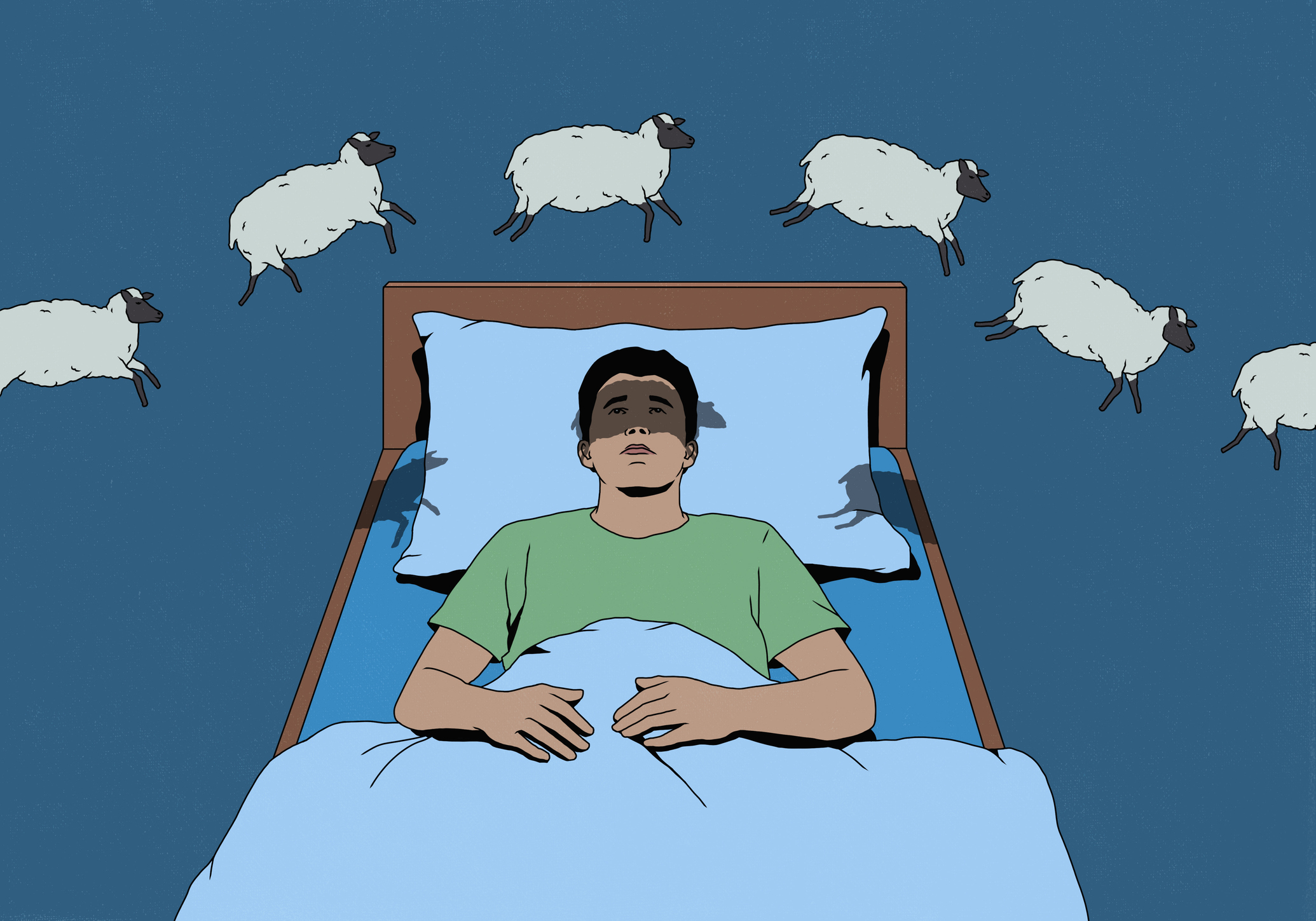
A growing obsession with achieving perfect sleep, amplified by wearable technology and strict adherence to “sleep hygiene” protocols, is paradoxically causing distress and sleeplessness for many. This phenomenon, characterized by anxiety over sleep quality, has been termed “orthosomnia.”
The trend sees individuals monitoring sleep patterns with devices, obsessing over data, and enforcing rigid routines. This focus can transform what should be a natural, restorative process into a source of significant stress and pressure. The pursuit of optimal sleep, often termed “sleepmaxxing,” can lead to an unhealthy preoccupation, where the fear of not sleeping well becomes the very cause of insomnia.
Experts suggest that the constant tracking and the drive for perfection can create a performance-oriented mindset around sleep. Instead of allowing the body to rest naturally, individuals may feel compelled to “achieve” a certain amount of sleep or a specific sleep stage, leading to frustration and heightened anxiety when goals are not met.
The prevalence of sleep-tracking gadgets, from smartwatches to specialized apps, has contributed significantly to this trend by providing users with constant feedback on their sleep duration and quality. While these tools can offer insights, they can also foster an unhealthy dependence and a tendency to interpret every deviation from the ideal as a failure.
The underlying issue, orthosomnia, highlights a shift from viewing sleep as a passive state of recovery to an active, controllable outcome that can be optimized. This can create a cycle where the anxiety about sleep quality directly impairs the ability to fall asleep or stay asleep, exacerbating the problem.
Recommendations for managing orthosomnia often involve a move towards a more relaxed and personalized approach to sleep. This includes de-emphasizing strict adherence to rigid rules, reducing reliance on constant monitoring, and focusing on overall well-being rather than solely on sleep metrics. The goal is to foster a healthier relationship with sleep, allowing it to be a restorative experience rather than a source of anxiety.
Story summarized from the original created by Joshua Tal on time.com, see more information here.
Media gallery

